



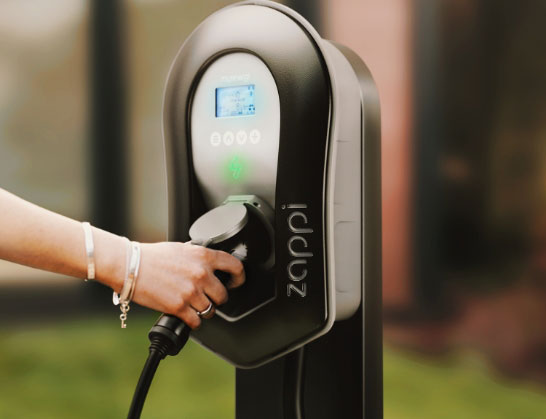
Top Tips for Choosing the Best EV Charger for Your Electric Vehicle Needs
As electric vehicles (EVs) continue to gain traction in the automotive industry, the demand for efficient and reliable EV chargers is becoming increasingly critical. According to a report by the International Energy Agency (IEA), the number of electric cars on the road reached 10 million in 2020, and this number is projected to surge to 145 million by 2030. This shift highlights the importance of choosing the right EV charger that not only meets individual needs but also aligns with the broader goals of energy efficiency and sustainability.
Industry expert Dr. Jane Foster, a leading figure in EV technology, emphasizes the importance of selecting an appropriate EV charger: "Choosing the right EV charger is not just about convenience; it's about maximizing the efficiency of your electric vehicle and ensuring a seamless transition to electric mobility." With various factors to consider, including charging speed, compatibility with different EV models, and installation requirements, consumers are faced with navigating a complex landscape. Understanding the nuances of EV chargers is essential for enhancing the overall electric vehicle experience and contributing positively to the environment.
In this guide, we delve into top tips for selecting the best EV charger tailored to your specific electric vehicle needs, ensuring that you make an informed choice that supports both your lifestyle and the planet.
Understanding Your Electric Vehicle Charging Needs
When selecting the best EV charger for your electric vehicle, it’s essential first to understand your individual charging needs. The growing EV market has underscored the importance of tailored charging solutions, with reports indicating that over 3 million electric vehicles were sold globally in 2020 alone, and the number is expected to reach 30 million by 2030, according to the International Energy Agency (IEA). This rapid growth necessitates a clear comprehension of the different charging levels—Level 1, Level 2, and DC fast charging—to determine which option suits your lifestyle and driving habits best.
For instance, if you primarily use your EV for short daily commutes, a Level 1 charger, which plugs into a standard household outlet, may suffice. However, for those who require quicker charging due to longer distances or frequent travel, investing in a Level 2 charger can significantly reduce downtime. Studies have shown that Level 2 chargers can provide up to 25 miles of range per hour of charging, making them a preferred option for many households. Additionally, homeowners should consider factors like available amperage and installation costs when determining the right solution, as a well-chosen charger can enhance convenience and efficiency in the long run.
Types of EV Chargers and Their Features
When it comes to choosing the best EV charger for your electric vehicle, understanding the different types and their features is crucial. Generally, there are three main types of EV chargers: Level 1, Level 2, and DC Fast Chargers. Level 1 chargers use a standard 120V outlet and are suitable for overnight home charging, providing approximately 4-5 miles of range per hour of charging. This type caters well to those with lower daily mileage, but may not satisfy users with long commutes or frequent long-distance travels.
Level 2 chargers operate on a 240V supply and can deliver 10 to 60 miles of range per hour, depending on the specific charger and vehicle capabilities. Many home installations opt for this type due to its efficient charging speed. According to the U.S. Department of Energy, approximately 80% of EV owners choose Level 2 charging solutions to enhance their home charging experience. On the other hand, DC Fast Chargers, typically found in commercial settings, can charge an electric vehicle to about 80% in just 30 minutes, making them ideal for drivers on the go. However, these chargers require specialized infrastructure and are not suited for home installation.
Ultimately, the choice of charger should align with your lifestyle and daily driving requirements. Understanding these options allows for informed decisions that cater to individual needs and ensure optimal charging efficiency for your EV.
Factors to Consider When Choosing an EV Charger
When choosing the best EV charger for your electric vehicle needs, there are several factors to consider to ensure you select the right one. First and foremost, the charging speed is crucial. EV chargers come in different levels, with Level 1 chargers being the slowest and suitable for household outlets, while Level 2 chargers can deliver a much faster charge and are ideal for home installations or public charging stations. Assess your daily driving habits and charging needs to determine which level will be most convenient for you.
Another important aspect to evaluate is the charger’s compatibility with your specific electric vehicle model. Different vehicles have varying charging requirements, so it's essential to ensure that the charger you select matches your car's specifications. Additionally, consider the installation process; some chargers might require professional installation due to electrical capacity needs, while others are more straightforward to set up. Lastly, think about additional features like smart connectivity, which allows you to monitor charging from your smartphone or even schedule charging during off-peak hours. By weighing these factors carefully, you can find an EV charger that fits your lifestyle and enhances your electric vehicle experience.
Top Tips for Choosing the Best EV Charger for Your Electric Vehicle Needs
| Factor | Details |
|---|---|
| Charging Speed | Consider the kW rating (Level 1, Level 2, or DC Fast Charger) based on how quickly you want to charge. |
| Compatibility | Ensure the charger works with your specific EV model and connector type. |
| Installation Requirements | Factor in the installation space, electrical infrastructure, and whether a professional installation is needed. |
| Smart Features | Look for features like Wi-Fi connectivity, scheduling, and energy usage tracking. |
| Portability | Consider if you need a portable charger for travel or a stationary unit for home use. |
| Cost | Evaluate the initial purchase cost, potential installation fees, and operating costs. |
| Safety Features | Check for certifications, grounding features, and protection against power surges. |
Installation Requirements for Your Selected Charger
When considering the installation requirements for your chosen EV charger, several key factors must be taken into account to ensure optimal performance and safety. Firstly, assess your home’s electrical system. According to industry reports, approximately 30% of existing residential electrical systems may not support the power load required for higher capacity EV chargers. It is crucial to have a licensed electrician evaluate your wiring, circuit capacity, and whether a dedicated circuit is necessary, especially for Level 2 chargers, which typically require a 240-volt service.
Additionally, consider the location of your charger installation. Many experts recommend placing the charger close to your parking area to minimize the length of the charging cable needed. This not only streams the charging process but also reduces potential hazards associated with long cables. Remember to ensure your chosen location complies with local building codes and safety regulations. As a tip, always confirm the installation space is sheltered from harsh weather conditions, which can affect charger performance and lifespan.
Lastly, check if you qualify for any local incentives regarding EV charger installations. In many regions, homeowners can receive rebates or tax credits for installing EV chargers, which can significantly offset the installation costs. Research shows that around 50% of homeowners are unaware of such incentives, making it essential to consult local energy authorities for information. Remember, careful planning during the installation phase can enhance the efficiency and functionality of your EV charging solution.
Cost and Maintenance Considerations for EV Chargers
When considering an electric vehicle (EV) charger, the cost and maintenance aspects are crucial. According to a report by the U.S. Department of Energy, the average cost of a Level 2 home charger ranges from $400 to $800, excluding installation fees, which can add another $200 to $1,200 depending on your home’s electrical capacity. This investment can lead to significant savings over time, especially when considering the reduced fuel costs EVs provide compared to traditional gasoline vehicles.
Maintenance costs for EV chargers are also relatively low. A study published by the National Renewable Energy Laboratory indicated that most chargers don’t require extensive servicing, but they do need periodic checks to ensure they’re operating efficiently. Keeping the charger clean and checking for frayed cords or damaged plugs should be part of routine maintenance. Additionally, consider the lifespan of the charger; many models boast durability of over ten years with proper care.
Tips: When selecting an EV charger, evaluate your driving habits and charging needs. If you have a longer daily commute, a Level 2 charger can provide a faster charge compared to a standard outlet. Also, look for chargers that offer smart features, as they can optimize charging times based on electricity rates, further reducing costs. Another essential factor is to ensure the charger is compatible with your vehicle to avoid unexpected expenses or compatibility issues in the future.