


Top 10 Solar Installation Cost Questions for Buyers?
Buying solar panels often begins with one practical question: “What will I really pay?” The answer is rarely found in a single advertised price. Solar Installation Cost depends on system size, roof condition, local labor, permits, equipment quality, and available incentives. Battery storage can change the calculation dramatically.
Prices vary sharply. A small, shaded roof may need more panels than expected. An older roof might require repairs before installation. Difficult access can also increase labor charges. These details are easy to miss during an online estimate.
Energy expert Fatih Birol, Executive Director of the International Energy Agency, has said, “Solar PV is now the cheapest source of electricity in history.” His statement reflects falling generation costs, but it does not mean every household receives a cheap installation. Property design, financing terms, and regional regulations still matter.
This guide answers ten common cost questions buyers should ask before signing a contract. It explains equipment prices, labor, permits, maintenance, tax incentives, financing, batteries, and long-term savings. It also shows where estimates can become misleading.
The numbers are not perfect.
Real projects often reveal unexpected expenses. A cracked tile, a crowded electrical panel, or a delayed inspection may alter the final bill. That is why buyers should compare written proposals, check installer credentials, and request clear warranty terms. A low quote may look attractive, yet a slightly higher offer could include stronger equipment and better support.
Use these questions as a practical buying checklist. Review them carefully, and challenge assumptions that seem too convenient.
What Determines the Total Cost of a Solar Installation?
Top 10 Solar Installation Cost Questions for Buyers?
What Determines the Total Cost of a Solar Installation?
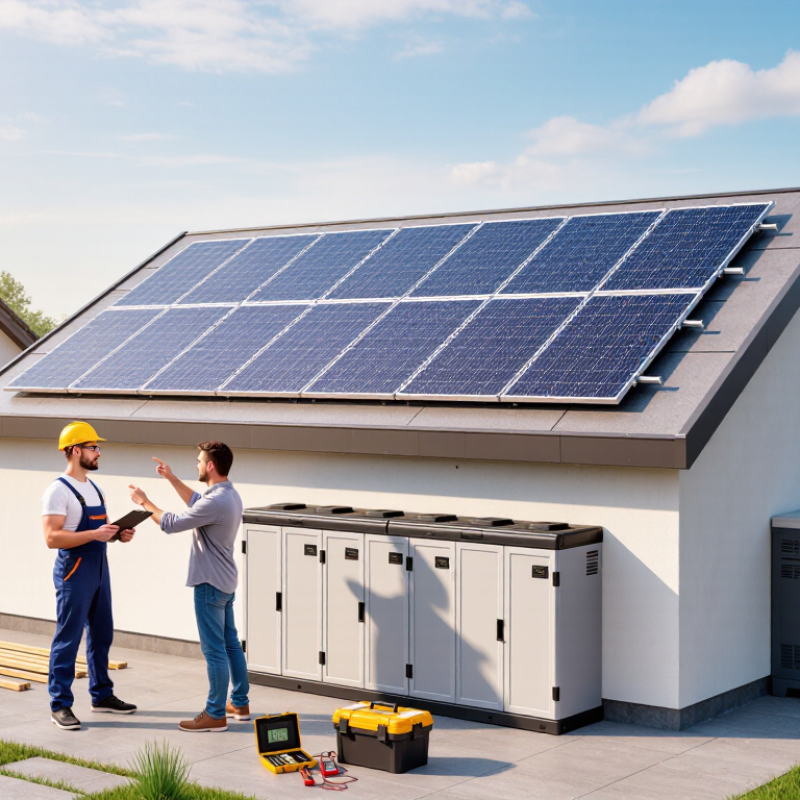
The total cost begins with system size, not the number of panels alone. Your electricity use, roof angle, shading, and local sunlight shape the required capacity. A home using more power may need additional panels, stronger wiring, or a larger inverter. The roof matters. Complex rooflines, fragile materials, steep slopes, and limited access can increase labor costs. A clear, open roof usually makes installation simpler and safer.
Equipment quality also affects the final quote. Panels, inverters, mounting hardware, monitoring devices, and batteries each add separate costs. Battery storage can improve nighttime energy use, but it may not suit every household. Ask for an itemized estimate, expected annual production, equipment warranties, and labor coverage. Vague pricing deserves careful questions. Details change everything.
Electrical upgrades can surprise buyers. An older service panel may need replacement before installation. Permits, inspections, structural checks, grid connection fees, and regional taxes may also apply. Available incentives can reduce costs, but their eligibility and timing require verification with qualified local professionals. Financing adds another layer through interest and fees. A low monthly payment can hide a higher total price. I would not judge a proposal by price alone; comparing assumptions is more useful. Estimates can still be imperfect because future energy use, weather, and utility rules may change.
Top 10 Solar Installation Cost Questions for Buyers? - What Determines the Total Cost of a Solar Installation?
| No. | Buyer Cost Question | Main Cost Determinant | Typical U.S. Residential Range | What Buyers Should Check |
|---|---|---|---|---|
| 1 | What is the typical price per watt? | Equipment, labor, design, permitting, installation difficulty, and local market conditions. | $2.50–$4.50 per watt before incentives for many grid-connected residential systems. | Confirm whether the quoted price includes permits, inspection, interconnection, monitoring, taxes, and post-installation support. |
| 2 | How does system size affect the total cost? | Annual electricity use, roof space, roof orientation, shading, and the desired level of energy offset. | A common home may need approximately 6–10 kW, or roughly $15,000–$45,000 before incentives. | Review the estimated annual production, not only the system’s nameplate capacity or the number of panels. |
| 3 | How much do solar panels and other hardware cost? | Modules, inverters, racking, wiring, rapid-shutdown equipment, disconnects, and monitoring hardware. | Hardware commonly represents about 35%–50% of the gross installed price. | Ask for equipment quantities, electrical ratings, product warranties, and the exact items included in the proposal. |
| 4 | How much does labor and installation complexity add? | Roof pitch, number of roof planes, stories, attic access, structural work, wiring distance, and site access. | Labor and installation-related work often account for approximately 20%–35% of the gross price. | Check whether additional charges apply for steep roofs, tile or slate roofing, trenching, difficult access, or structural reinforcement. |
| 5 | Will the roof need repairs or replacement first? | Roof age, remaining service life, material, condition, and the cost of removing and reinstalling the array. | Roof repairs may add $500–$5,000+; a full roof project can add $8,000–$25,000+, depending on size and material. | Have the roof inspected before signing and clarify who pays for future solar removal and reinstallation. |
| 6 | Are permitting, inspection, and grid-connection fees included? | Local government fees, utility requirements, engineering documents, inspection procedures, and interconnection rules. | Combined administrative and connection charges may range from $300–$2,000+, depending on location and project requirements. | Request a written list of included fees and identify any utility upgrade or transformer costs that could be billed separately. |
| 7 | Will the electrical panel or service need an upgrade? | Existing panel capacity, main service rating, available breaker space, electrical code, and planned future loads. | A panel or service upgrade may add approximately $1,500–$4,000+. | Ask for the electrical load calculation and confirm whether electric vehicles, heat pumps, or other large loads are included. |
| 8 | How much does adding battery storage cost? | Usable storage capacity, backup circuits, transfer equipment, installation labor, permitting, and electrical upgrades. | A residential battery addition commonly costs about $8,000–$20,000+ before incentives. | Compare usable kWh, continuous power output, backup coverage, expected cycle life, warranty terms, and replacement assumptions. |
| 9 | How do incentives and financing change the amount paid? | Federal, state, local, and utility incentives; tax eligibility; loan interest; dealer fees; and financing term. | Savings vary significantly by location, eligibility, tax liability, and program availability; financing can materially increase the total repayment. | Compare cash price, financed principal, APR, fees, total payments, prepayment terms, and incentives separately from the gross price. |
| 10 | What maintenance and long-term costs should be expected? | Monitoring, occasional cleaning, inverter replacement, roof work, insurance, and battery replacement or expansion. | Routine maintenance is usually limited, but an inverter replacement may cost approximately $1,000–$3,000+ outside warranty. | Review labor and equipment warranties, service response times, monitoring fees, exclusions, and estimated replacement costs. |
| Reference note: Cost ranges are broad planning estimates for typical U.S. residential projects and are shown before incentives unless stated otherwise. Actual prices depend on location, system design, roof and electrical conditions, permitting requirements, labor rates, financing, and applicable programs. Obtain a site-specific proposal and verify current incentive rules before making a purchase. | ||||
Related Posts
-
Exploring Global Opportunities in Solar System Installation at the 137th Canton Fair 2025
-
Unlocking the Benefits of Solar Panels for Sustainable Home Energy Solutions
-
What is Solar Panels For Home: A Complete Guide to Home Solar Energy Solutions
-

What is the Average Solar Installation Cost in China?
-
Solutions for Choosing the Best Solar Panel System for Your Home Requirements
-

7 Essential Tips for Boosting Your Solar Electricity System's Efficiency