
How to Estimate Solar Installation Cost for Your Home?
Estimating solar installation cost for your home requires careful consideration. Many homeowners see solar panels as a way to save on energy bills. However, unpredictability in costs can lead to confusion. The price of solar installation varies widely based on several factors.
Location plays a significant role in determining these costs. For instance, areas with abundant sunlight may have a different pricing structure than those with less sun exposure. Additionally, the choice of equipment affects the total expenditure. High-efficiency panels often come at a premium, but they can reduce long-term costs.
Moreover, installation complexity adds another layer of expenses. Roof type and mounting options must be evaluated. It can be daunting to calculate overall solar installation cost accurately. Engaging with professionals can help clarify these variables. Yet, getting quotes from different installers is essential to ensure a good deal. It's crucial to approach this investment with thorough research and understanding. Taking the time to analyze your specific needs can lead to more satisfactory outcomes.
Factors Influencing Solar Installation Costs for Homeowners
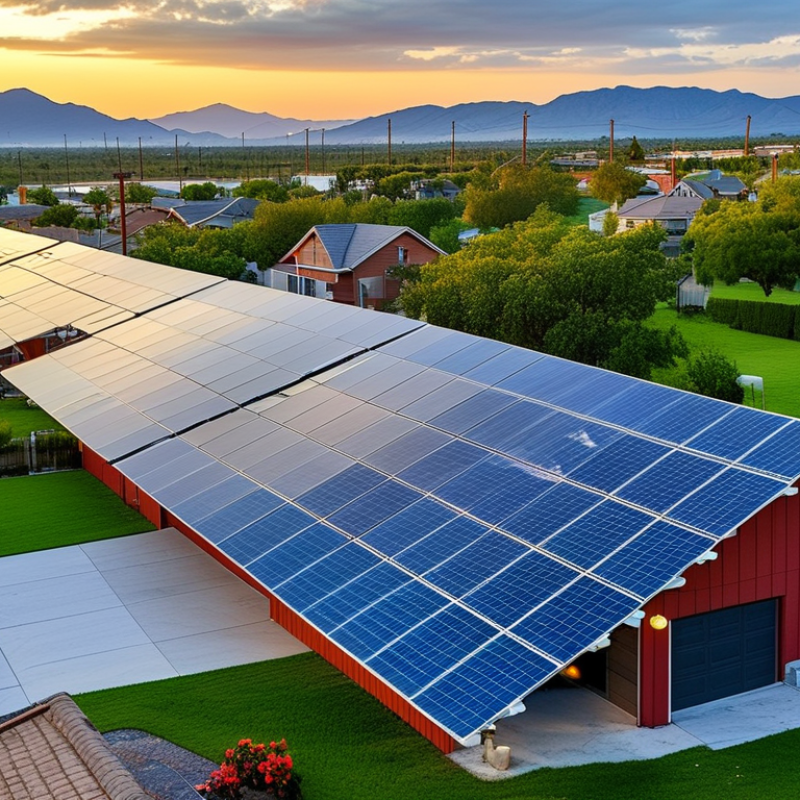
When considering solar installation costs, various factors come into play. The size of your roof is crucial. A larger roof can accommodate more solar panels, potentially increasing costs but also maximizing energy efficiency. The orientation and pitch of your roof impact how much sunlight the panels receive, which directly affects their efficiency.
Location is another significant factor. Areas with higher solar radiation can benefit more from solar panels. Installation costs may vary by region due to local labor rates and permitting requirements. Additionally, the type of installation—roof-mounted vs. ground-mounted—can influence the total cost. Ground-mounted systems typically require more land and may lead to higher expenses.
Moreover, the quality of materials chosen can greatly affect the overall cost. While high-quality panels may have a higher upfront cost, they often provide better efficiency and longevity. Homeowners need to reflect on their energy needs and budget. Balancing quality and affordability is essential. Every choice influences the final price, demanding careful consideration before making a decision.
How to Estimate Solar Installation Cost for Your Home? - Factors Influencing Solar Installation Costs for Homeowners
| Factors | Estimated Cost Impact (USD) | Description |
|---|---|---|
| System Size (kW) | $3,000 - $10,000 | The total capacity of the solar system affects the overall cost. |
| Installation Complexity | $1,000 - $5,000 | Roof type, height, and access can increase labor costs. |
| Local Incentives | -20% - -30% of total cost | State and federal rebates can significantly lower installation costs. |
| Panel Type | $1,000 - $3,000 | Monocrystalline vs. polycrystalline panels can affect pricing. |
| Permitting and Inspection Fees | $500 - $2,000 | Costs associated with legal compliance and inspections. |
| Additional Equipment | $600 - $2,000 | Inverters, batteries, and charge controllers add to cost. |
Types of Solar Panels and Their Impact on Overall Cost
When considering solar installation for your home, understanding the types of solar panels is crucial. There are mainly three types: monocrystalline, polycrystalline, and thin-film. Each type has varying efficiency rates and costs, which directly impact your overall investment. Data from the Solar Energy Industries Association indicates that monocrystalline panels offer the highest efficiency, typically exceeding 20%. However, they come with a higher price tag, often ranging from $1 to $1.50 per watt.
In contrast, polycrystalline panels are a more budget-friendly option, averaging around $0.90 to $1.20 per watt. Their efficiency is lower, generally between 15% and 20%. For homeowners constrained by budget, polycrystalline panels can provide a good balance between cost and performance. Thin-film panels, while the least efficient at 10-12%, are more affordable but occupy larger roof areas. This can be a drawback for limited space.
Choosing the right type of panel involves more than just cost. Installation complexity and lifespan are also critical. Monocrystalline panels often last longer, with warranties up to 25 years. Polycrystalline panels usually have a shorter lifespan. The initial savings could be negated by higher replacement costs over time. Therefore, weighing all aspects of each type is essential for an informed decision.
Understanding Installation Costs: Labor and Equipment Expenses
Understanding the costs involved in solar installation is crucial for homeowners. Labor and equipment expenses constitute the bulk of your total investment. Labor costs typically encompass the installation crew's wages and any subcontractors. These costs can vary based on your region and the project's complexity. Inexperienced workers may offer lower rates, but this could lead to subpar installation. It's essential to assess the team's credentials and experience.
Equipment expenses cover the solar panels, inverter, and mounting systems. High-quality panels usually come with a higher price tag but offer better efficiency and longer lifespans. Investing in quality equipment may save you money in the long run. Additionally, less-expensive components might present risks, such as decreased performance or higher maintenance needs. It’s important to get multiple quotes and thoroughly research the components proposed by each contractor.
Hidden costs can also arise, such as permits or unexpected repairs. Be prepared for these potential expenses, and ensure your budget includes a contingency. Homeowners sometimes overlook these aspects, leading to financial strain. Evaluate all aspects of the installation process to navigate your solar project effectively. Managing expectations regarding cost and quality is key to a successful solar installation.
Assessing Available Incentives and Financing Options for Solar
When considering solar installation for your home, assessing available incentives is crucial. Many homeowners remain unaware of the financial benefits offered by local, state, and federal programs. According to the Solar Energy Industries Association (SEIA), federal tax credits can cover 26% of the system cost. This incentive significantly reduces the upfront expense. However, these credits are gradually phasing out, creating a pressing reason to act sooner rather than later.
Financing options can further ease the burden. Solar loans, leasing, or power purchase agreements (PPAs) provide flexibility. A report by the National Renewable Energy Laboratory estimates that solar loans can reduce the installation cost by up to 30% for many homeowners. Each option has its own pros and cons, allowing homeowners to choose what aligns best with their financial situations.
While understanding these incentives and financing options is essential, many potential users still exhibit hesitation. The complexity of paperwork and eligibility requirements can be daunting. Moreover, some might overlook these incentives altogether. Engaging with local solar installers can help clarify available incentives, ensuring homeowners make well-informed decisions. The goal is to harness solar energy effectively while maximizing financial savings.
Calculating Long-Term Savings and Return on Investment in Solar Energy
When considering solar energy, understanding long-term savings is crucial. Solar panels can significantly reduce electricity bills. With the right installation, homeowners often see savings within a few years. The initial investment may seem high, but the benefits accumulate over time.
Return on investment (ROI) in solar energy includes various factors. Calculate your electricity bill reductions and consider potential government incentives. Some states offer tax benefits for solar installations. These can add to the overall savings. However, not all locations yield the same returns. Evaluating local sunlight exposure is necessary.
It is essential to question whether the upfront cost aligns with potential savings. Initial estimates may not always match actual results. Maintenance costs can affect overall ROI as well. Regular checks and upkeep are vital. Gathering local data and consulting experts can help you refine your approach.
Related Posts
-
Exploring Best Solar Installation Cost Trends for 2025 and How to Optimize Your Investments
-
Solutions for Reducing Solar Installation Cost Effectively
-
10 Proven Benefits of Solar Panels Installation for Global Buyers
-
Ultimate Guide to Maximizing Home Solar Power System Efficiency with Proven Industry Insights
-
The Ultimate Guide to Optimizing Solar Power Installation for Global Buyers
-
Maximize Your Home Energy Efficiency with Cutting Edge Solar Panels