


Best Vehicle Power Inverter Options for Your Needs?
Choosing the right vehicle power inverter can make a significant difference in your travel experience. These devices allow you to convert a vehicle’s DC power into AC power. It is essential to select the best option for your specific needs.
Many factors play a role in making this choice. For instance, the wattage capacity of the inverter determines what devices you can power. Higher wattage inverters can run more electronics but can be bulkier. Also, consider how you will use it. Will you charge a laptop, run a mini-fridge, or power tools?
Moreover, not all vehicle power inverters are created equal. Some may lack durability or safety features. This can lead to overheating or even damage to your devices. So, reflecting on these factors is crucial before making a decision. Picking the right inverter can be a process. It will be worth the effort when you enjoy the comforts of home on the go.
Understanding Vehicle Power Inverters: Basics and Functions
Vehicle power inverters are essential for anyone needing AC power on the go. These devices convert DC power from a vehicle's battery into usable AC power. Inverters come in different sizes and outputs. Understanding their basics helps users select the right type for their needs.
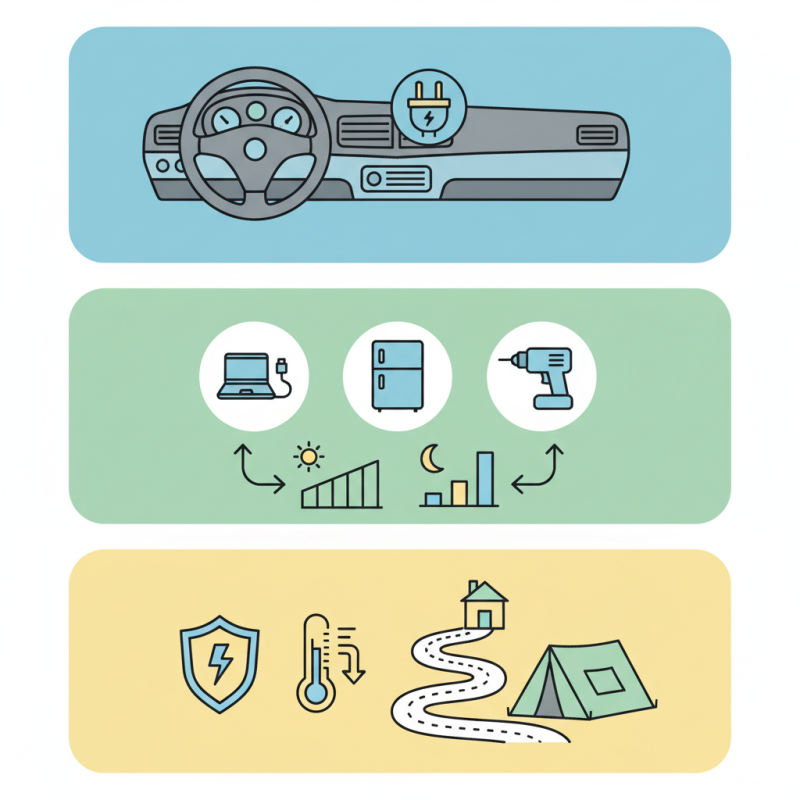
Some common functions of vehicle power inverters include charging laptops, running small kitchen appliances, and powering tools. A recent industry report noted that the mobile power market is expected to grow by 9% annually, reflecting rising demand. Many users are unaware of the inverter's wattage limits. Exceeding these limits can lead to system failure or damage. Overloading an inverter is surprisingly common.
The efficiency of inverters varies significantly. Some models convert only about 80% of energy input into usable energy. This can be disappointing. Selecting an inverter that matches your essential power needs is crucial. Users often overlook the importance of safety features like overload protection. Choosing an inverter with these features can prevent hazardous situations.
Types of Vehicle Power Inverters: Which One is Right for You?
When choosing a vehicle power inverter, it's essential to understand the different types available. An inverter converts DC power from your car into AC power. This allows you to power various devices. There are two main types: modified sine wave and pure sine wave. Each has its pros and cons.
Modified sine wave inverters are commonly used. They are typically less expensive and work well for basic needs. However, they can cause issues with sensitive electronics. In contrast, pure sine wave inverters provide cleaner power. They are better for sophisticated devices, like laptops and medical equipment. Keep in mind, they are pricier.
It's important to consider your power needs. How many devices will you use? What wattage do they require? Many people overlook these details. It can lead to selecting an inverter that falls short. Always check the specifications and ensure compatibility with your devices. A hasty decision could lead to inconvenience on the road. Take time to evaluate your options.
Key Features to Consider When Choosing a Power Inverter
When choosing a power inverter, several key features are crucial. First, consider the wattage capacity. Look for inverters that can handle your devices' total power needs. According to industry reports, a typical laptop might need around 60-100 watts, while a refrigerator could require 200-800 watts. Ensure your inverter’s capacity exceeds this amount for best results.
Next, pay attention to the inverter type. Modified sine wave inverters are more affordable but may not work well with sensitive electronics. Pure sine wave inverters are pricier, yet they provide cleaner power. This factor can be essential for expensive gadgets. Some users report incompatibility issues with certain devices when using modified sine wave inverters.
Another vital aspect is the number of outlets. If you plan to power multiple devices, opt for models with multiple USB and AC outlets. It's also beneficial to evaluate the inverter's size and weight, as portability can be a concern. Some users note that compact models are easier to store but may sacrifice power capacity. Balancing these features with your specific needs can be challenging, and reflection on what you truly require is important.
Safety Considerations for Using Vehicle Power Inverters
When using vehicle power inverters, safety is paramount. Overloading an inverter can lead to overheating. This poses a risk of fire or damage to your equipment. Always check the wattage limits before plugging in devices. Using an inverter rated higher than your needs can waste energy and may lead to malfunction.
Proper ventilation is essential. Inverters can emit heat during use. If placed in a confined space, this heat can build up, increasing risks. Keep the inverter on a flat surface. Avoid any obstructions that might block airflow. Regularly inspect the cables and connectors for wear. Damaged wires can cause short circuits, leading to hazardous situations.
Using protective gear is wise when operating inverters. Gloves and eye protection provide added safety. Understand how to safely disconnect the inverter. Ensure the car's ignition is off to prevent electrical issues. It's easy to overlook these steps, but taking them seriously can prevent accidents.
Always prioritize safety in your power needs.
Top Recommendations for Vehicle Power Inverter Brands and Models
When choosing a power inverter for your vehicle, understanding the diverse options can be quite overwhelming. Many models promise efficiency and durability, but selecting the right one depends on your unique needs. Consider your power requirements. Are you powering small devices like chargers, or do you need to run larger equipment? This can significantly narrow down your choices.
Inverters come in various sizes and capabilities. Some models may support multiple outlets, allowing you to charge several devices at once. Also, look for features like built-in safety protections. Overload and short circuit protections can prevent accidents. However, not all inverters are created equal. Some may underperform despite high ratings. User reviews often highlight such discrepancies. It's crucial to research before purchasing.
Additionally, portability might be a big factor for many users. Compact inverters are easier to stash in your trunk. But, smaller units may struggle under heavy loads. If you're camping or tailgating, you might feel the need for a high-capacity inverter. Unfortunately, these tend to weigh more. Balancing size and power needs can be a tricky business, and it requires careful thought.